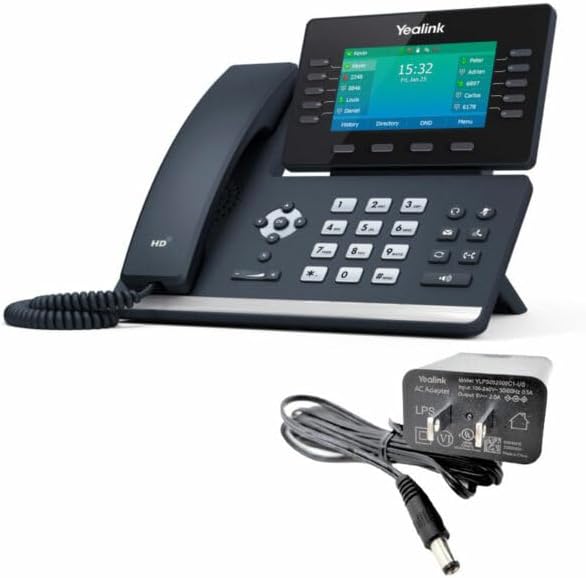
In today’s fast-paced business environment, communication is key. Traditional phone lines can be costly, inflexible, and limited in functionality. VoIP phones for business have emerged as a game-changer, offering cost savings, scalability, and a wide range of advanced features. Whether you run a small startup or a multinational corporation, understanding how VoIP can benefit your operations is essential.
What is a VoIP Phone?
VoIP, or Voice over Internet Protocol, allows you to make and receive calls over the internet rather than traditional phone lines. Unlike standard telephones, VoIP phones convert voice into digital signals, transmitting them over your internet connection.
Key advantages include:
- Reduced call costs (especially for international and long-distance calls)
- Integration with other business systems (CRM, call centers, email)
- Mobility and remote access
- Advanced features like call forwarding, conferencing, and voicemail
Why Businesses Choose VoIP Phones
Businesses of all sizes are moving to VoIP because it offers flexibility and efficiency. Here are the primary reasons:
1️⃣ Cost Savings
With VoIP, businesses can avoid expensive traditional phone lines and minimize international call charges. Many VoIP providers offer flat-rate plans for unlimited calling.
2️⃣ Scalability
VoIP systems grow with your business. Adding a new employee or office is as simple as connecting another VoIP phone or app—no need to install physical lines.
3️⃣ Advanced Features
Modern VoIP phones come with built-in features such as:
- Caller ID and call logs
- Conference calling
- Virtual extensions
- Automated attendants
- Mobile apps for remote employees
4️⃣ Mobility and Remote Work
Employees can use VoIP phones anywhere with an internet connection. Whether working from home, on-site, or traveling, your business communication stays seamless.
Choosing the Right VoIP Phone for Your Business
When selecting a VoIP phone, consider:
- Compatibility: Ensure the phone supports your VoIP provider or PBX system.
- Features: Look for conference calling, HD voice, and programmable buttons.
- Connectivity: Options include Ethernet (wired) or Wi-Fi.
- Ease of Use: Phones with intuitive interfaces reduce training time.
- Durability: Businesses with heavy usage need phones built to last.
Top Recommended VoIP Phones for Businesses
One highly recommended option for professional use is available here: Buy VoIP Phone for Business on Amazon. This model offers:
- Crystal-clear HD audio for conference calls
- Multiple lines and programmable buttons for business efficiency
- Power over Ethernet (PoE) for simplified setup
- Compatibility with major VoIP providers and PBX systems
Integrating VoIP into Your Business Workflow
VoIP phones are more than just a replacement for traditional phones—they are a central part of your business communication ecosystem. Businesses often integrate VoIP with:
- Customer Relationship Management (CRM) software
- Helpdesk or ticketing systems
- Collaboration tools (Teams, Slack, Zoom)
- Automated reporting and call analytics
By doing so, businesses gain better insights into call performance, customer satisfaction, and employee productivity.
Security Considerations
VoIP is reliable but requires attention to security:
- Use strong passwords and secure networks
- Enable encryption for voice data
- Regularly update firmware
- Monitor for unusual call patterns
Future of Business Communication
VoIP technology continues to evolve with AI-powered features like voice recognition, virtual assistants, and call transcription. Businesses adopting VoIP now are not only cutting costs but also preparing for more intelligent and efficient communication systems in the future.


